
By Faith Kaketi
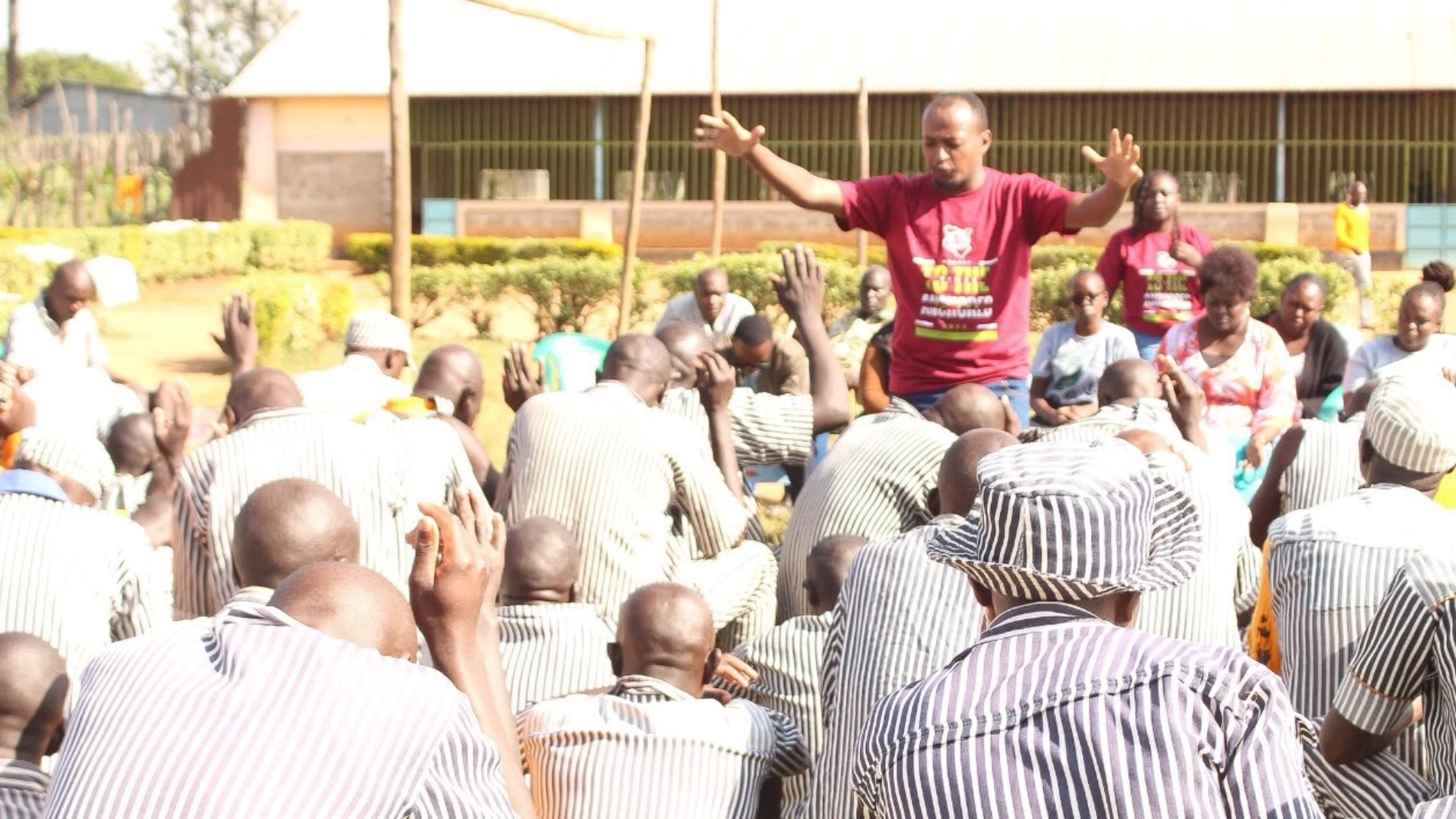
On July 14, 2026, the quiet routine inside Ngeria Farm Prison gave way to a powerful shift in energy. What began as music echoing through the facility turned into an afternoon defined by candid conversation, shared learning, and genuine personal breakthroughs.
The Crime Si Poa Eldoret team joined forces with Kenya Youth for Christ to conduct a targeted mentorship outreach at Ngeria Farm Prison. Behind prison walls, individuals often struggle with the stigma of incarceration and feel defined solely by their past mistakes. This joint initiative was designed to challenge that narrative, equipping inmates with the mindset and tools needed for successful rehabilitation and community reintegration.
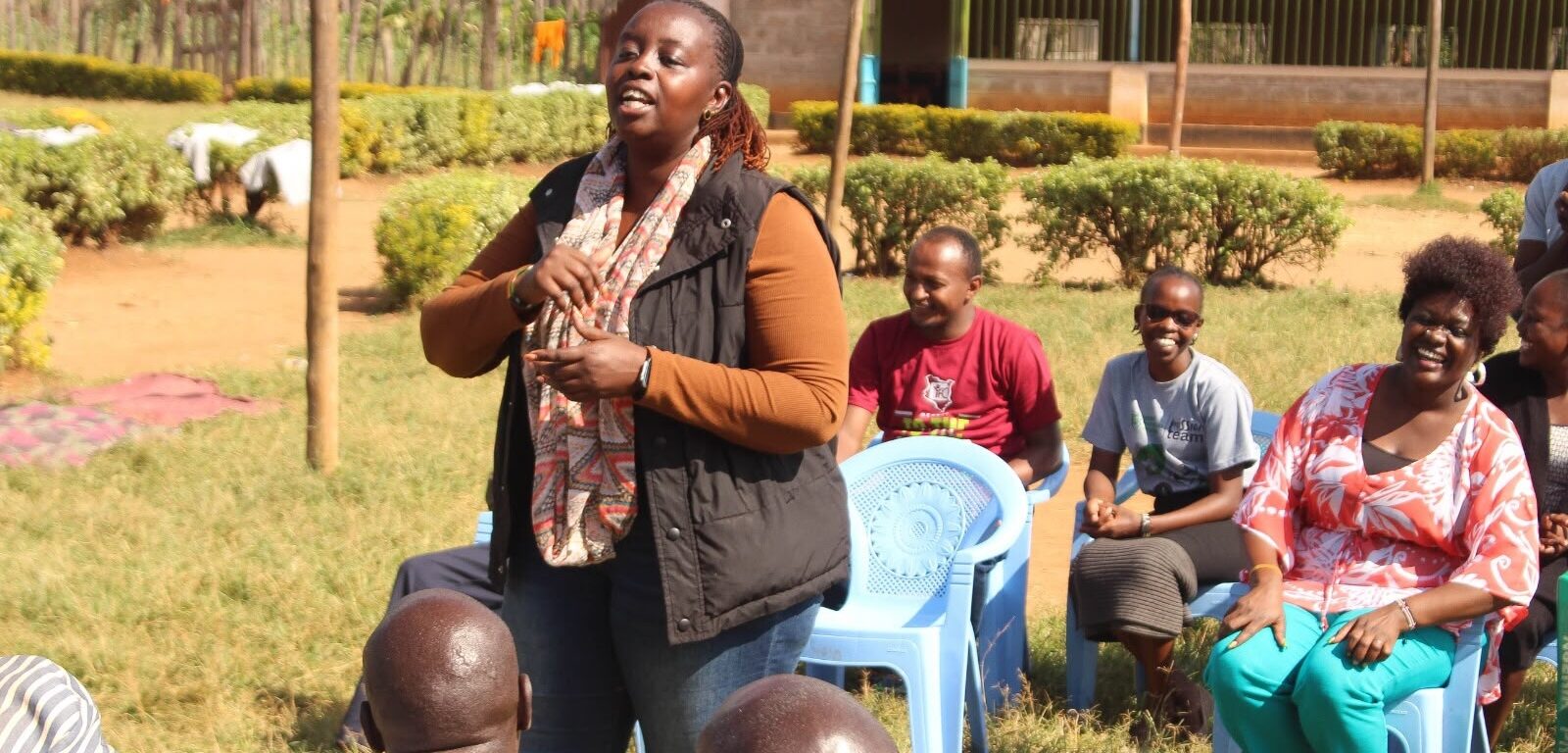
The session opened with icebreakers and interactive activities to build trust and create an open space for dialogue. As the atmosphere warmed up, the facilitators transitioned into core mentorship modules, addressing critical issues surrounding personal responsibility, emotional discipline, decision-making, and avoiding recidivism. By pairing practical life-skills training with values-based guidance, the session tackled the real challenges inmates face both during incarceration and upon release.
A central element of Crime Si Poa’s approach to crime prevention is addressing root causes, including mindset and personal character. Working alongside Kenya Youth for Christ allowed the outreach to address the whole person, integrating ethical grounding and spiritual reflection into practical behavioral reform. The message delivered to the men was clear: a past conviction is a single chapter, not the end of their story, and positive change is entirely within reach.
Recognizing that long-term rehabilitation requires continuous reinforcement, Crime Si Poa and Kenya Youth for Christ donated a fresh collection of educational, developmental, and inspirational books to the prison library. This resource library provides inmates with materials to lead self-guided study groups, practice peer mentorship, and maintain the momentum generated during the visit.
By combining the expertise in crime prevention and behavioral change with partner-led mentorship, the outreach went far beyond a standard prison visit. It reinforced the power of collaborative intervention in transforming lives, proving that with the right support, correctional facilities can become places of genuine growth, accountability, and second chances.